How an Emergency Vet Can Conserve Your Pet's Life in Essential Situations
Inoculation Standards From Your Relied On Veterinarian
Vaccination standards offered by your relied on veterinarian play a vital function in guarding your animal's health and health. Additionally, attending to common mistaken beliefs surrounding vaccines can additionally boost family pet owners' self-confidence in these preventive measures.

Importance of Inoculations
Inoculations play a crucial function in safeguarding pets versus a series of preventable conditions. By stimulating the immune system to recognize and fight specific microorganisms, vaccines significantly decrease the occurrence of infectious illness that can influence a pet's health and durability. Not just do inoculations shield individual animals, yet they likewise contribute to herd immunity, thereby minimizing the general prevalence of conditions in the pet dog populace.
Timely vaccinations help to alleviate the spread of illness such as rabies, parvovirus, and distemper, which can have serious consequences for both family pets and people. Inoculations are commonly a need for boarding facilities, grooming solutions, and pet dog parks, making them important for those that desire to socialize their animals.
Core Injections for Pets
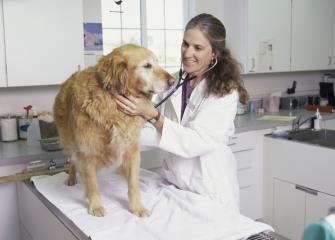
While the particular vaccination requirements of family pets can differ based on individual variables, core vaccines are universally suggested to shield versus the most serious and typical diseases (Emergency Vet). Core vaccinations are those considered vital for all pets, despite their way of life or geographic location, as they protect versus possibly deadly and extremely transmittable diseases
For pets, the core injections consist of those for canine distemper, parvovirus, adenovirus (hepatitis), and rabies. Canine distemper is a viral disease that impacts the breathing, stomach, and nerve systems. Parvovirus is understood for causing serious stomach illness, particularly in pups. Adenovirus can lead to liver condition, while rabies is a zoonotic disease that positions a danger to both people and pets.
In cats, core vaccines encompass feline panleukopenia, feline calicivirus, feline herpesvirus (rhinotracheitis), and rabies. Feline panleukopenia is a very contagious viral condition that affects the immune system and intestines. Calicivirus and herpesvirus are significant contributors to top breathing infections in felines, while rabies continues to be a crucial problem for public wellness.
Consult with your veterinarian to guarantee your pets get their core vaccinations on timetable.
Non-Core Vaccines Explained
Non-core vaccines are tailored to address particular risks related to a pet dog's direct exposure, atmosphere, and way of life to particular illness. Unlike core vaccines, which are generally advised for all pet dogs, non-core vaccinations are considered based upon private scenarios. These injections are specifically vital for pet dogs that might run into special virus because of their geographical place, traveling routines, or activities.
Examples of non-core injections include those for Bordetella bronchiseptica, which is linked to kennel coughing, and Lyme disease, created by ticks. Family pets that regularly interact with other pets, such as those in boarding centers, canine parks, or grooming atmospheres, might gain from Bordetella inoculation. Likewise, if you live in a location where Lyme disease is common, immunizing versus this disease can be a sensible selection for outdoor-loving pets.
Other non-core vaccines might include those for leptospirosis, canine flu, and feline leukemia, depending upon the specific threat factors present. It is vital to have a comprehensive conversation with your veterinarian concerning your pet's way of life and the possible need for these vaccines, making sure a customized inoculation method that ideal safeguards your fuzzy close friend.
Inoculation Schedule Overview

As animals grow, it is essential to stick to the recommended booster inoculations. Vet Enterprise. For adult pets, core vaccines are commonly provided every one to three years, relying on the certain injection and local guidelines. Non-core vaccinations may be advised based upon way of life elements and regional condition occurrence, requiring a customized technique
Regular vet examinations are important for upgrading vaccination timetables. Your veterinarian can supply guidance on the most appropriate booster shots for your pet dog, factoring in age, wellness status, and environmental risks. By remaining positive and educated, animal owners can guarantee their fuzzy friends obtain reliable and prompt vaccinations, therefore safeguarding their health and wellness and wellness throughout their lives.
Usual Misconceptions About Vaccinations
Misunderstandings regarding pet dog vaccinations can result in complication and reluctance among pet dog proprietors regarding the immunization procedure. One prevalent misconception is that injections are unnecessary for interior pets. While it holds true that indoor family pets deal with reduced risks, they are not totally unsusceptible to illness, as microorganisms can be presented with different ways, including human resource clothing and other news family pets.
An additional misconception is that vaccinations can cause the conditions they intend to stop. In truth, most vaccinations include suspended or undermined virus, which can not cause condition in healthy and balanced animals. Some animal owners also believe that their pet dogs must not be immunized if they are currently healthy and balanced; nevertheless, inoculations are a proactive step that assists prevent the beginning of health problem.
Additionally, many pet dog owners fear that vaccinations will lead to long-lasting health and wellness complications. The advantages of inoculation-- securing animals from potentially life-threatening conditions-- far outweigh the threats.
Final Thought
In summary, adherence to vaccination standards is crucial for making sure the health and wellness and long life of pets. Resolving usual myths bordering inoculations better reinforces the value of educated decision-making in pet treatment.
Not only do inoculations shield individual animals, but they likewise add to herd resistance, thereby lowering the overall prevalence of conditions in the pet dog populace.
Mistaken beliefs about pet dog vaccinations can lead to confusion and unwillingness amongst animal owners relating to the immunization procedure. While it's true that interior pet dogs face lower dangers, they are not totally immune to conditions, as pathogens can be presented via various means, including human clothing and other animals.
Some animal owners likewise think that their pet dogs should not be vaccinated if they are already healthy; nevertheless, inoculations are a positive step that assists stop the start of ailment.
The advantages of inoculation-- securing family pets from possibly dangerous conditions-- much exceed the threats.